Cat Line Art SVG: A Designer’s Real-World Embroidery Review
First Impressions: Clean, Quiet, and Full of Quiet Charm
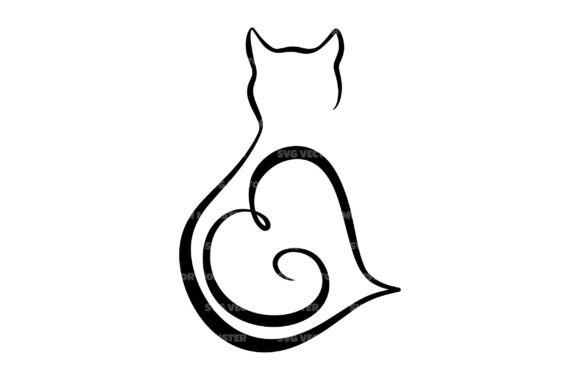
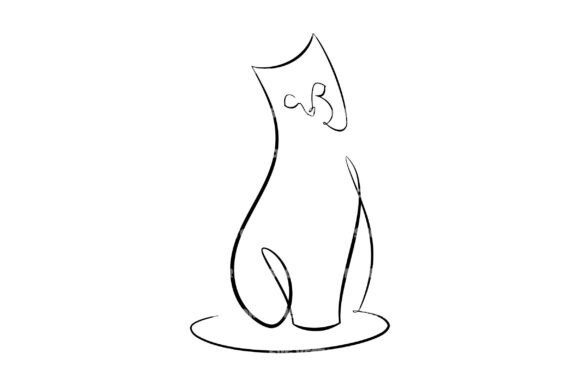
Opening Cat Line Art SVG feels like flipping to a sketchbook page—minimal, confident, and intentionally uncluttered. It’s not a cartoon cat or a fluffy portrait; it’s a single-weight contour drawing: one smooth, continuous line that traces the silhouette of a seated cat, tail curled just so, ears perked, eyes implied rather than drawn. There’s no shading, no internal detail—just rhythm, balance, and negative space doing most of the work. As an embroidery designer who’s stitched hundreds of animal motifs, I immediately sensed its potential: this isn’t a design shouting for attention—it’s one that earns it through subtlety and craft.
Real Project Test: A Custom Embroidered Tote for a Local Boutique
Last week, I used Cat Line Art SVG as the centerpiece for a small-batch run of linen tote bags for a neighborhood gift shop. The brief was simple: “elegant but approachable, handmade but polished.” We chose a soft charcoal linen, 60-stitch-per-inch stabilizer, and matte cotton thread in warm taupe. When stitched at 3.8 inches wide (hoop size: 4×4), the line held beautifully—no breaks, no jagged corners, no stitch crowding. The curve of the tail flowed cleanly across the fabric grain, and the ear tips landed with precision. Customers didn’t just notice it—they paused. One said, “It looks like it was drawn by hand, not stitched.” That’s the quiet power of well-executed line art in embroidery: it reads as intentional, human, and thoughtful.
Where It Shines—and Where It Needs Careful Handling
Cat Line Art SVG excels in projects where clarity and restraint matter:
- Custom apparel: Works especially well on sweatshirts and structured tees—clean lines read clearly even at modest sizes (2.5–4 inches).
- Embroidered patches: Its single-line nature translates beautifully to chenille or woven backing without overcomplicating the stitch path.
- Baby embroidery: On organic cotton onesies or burp cloths, the simplicity avoids visual overload—and holds up after repeated gentle washes.
- Nursery decor & holiday gifts: Think pillow covers, tea towels, or framed hoop art—where the cat becomes a quiet motif, not a loud graphic.
- Etsy listings & printable mockups: As a Graphics asset, it scales crisply for digital previews—no pixelation, no color bleed in PDFs or PNGs.
But here’s where experience matters: Cat Line Art SVG demands thoughtful placement. Avoid it on:
- Thin or highly textured fabrics (like slubbed linen or bouclé) without extra stabilizer—the line can sink or blur.
- Stretchy knits without cutaway backing—the curve may distort during hooping or wear.
- Dark fabric without testing thread contrast first—light gray or ecru thread can disappear if not evaluated in context.
- Curved surfaces like caps or apron pockets unless resized and re-digitized for tension consistency.
- Products meant for heavy daily use (think gym bags or kids’ backpacks) unless you confirm stitch density is sufficient for durability—not all vector files translate directly to robust machine embroidery.
What It Adds to Your Craft Business—Beyond the Stitch
As a designer who also consults with Etsy sellers and small shop owners, I’ve watched how a motif like Cat Line Art SVG quietly elevates perceived value. It doesn’t scream “cute”—it whispers “considered.” That distinction builds trust. Customers browsing handmade product listings respond to craftsmanship they can *feel*, even digitally. A clean line-art cat on a cream tea towel signals care, consistency, and brand maturity—far more than a busy clipart alternative.
For commercial embroidery shops, this design integrates smoothly into client projects: wedding favors (monogram + cat), boutique branding (small chest logo on aprons), or personalized gifts (initial + cat on baby blankets). It scales without losing integrity, works across thread palettes, and pairs effortlessly with typography or minimal borders. And because it’s a vector file, recoloring for seasonal palettes—soft sage for spring, deep navy for fall—is fast and accurate.
Practical Notes Every Embroidery Designer Should Run Through
Before stitching your first Cat Line Art SVG project, do these five things:
- Test on scrap fabric—same type, same stabilizer, same thread count. Watch how the line behaves at your intended size.
- Check thread color contrast on both light and dark backgrounds—not just on screen, but in natural light.
- Review stitch density if converting to an embroidery file. A true line art motif should avoid dense fill stitches; running or satin stitch along the path is ideal.
- Confirm hoop size compatibility. At 3 inches tall, it fits standard 4×4 hoops—but double-check spacing if combining with text or other elements.
- Verify licensing before selling finished items or bundling as part of a digital embroidery bundle. Since Cat Line Art SVG is marketed for Crafts and Graphics use, review terms carefully—especially for commercial embroidery or resale of physical products.
Final Thought: Less Is Truly More Here
This isn’t a design that tries to do everything. It’s a focused, flexible, and quietly expressive tool—one that serves the maker, the material, and the end user equally well. Whether you’re stitching a single personalized gift or producing 50 embroidered totes for your small shop, Cat Line Art SVG delivers what matters most: clarity, consistency, and charm without clutter. In a market saturated with overdesigned graphics, its restraint is its strength—and that’s exactly why it belongs in your working library of design assets.