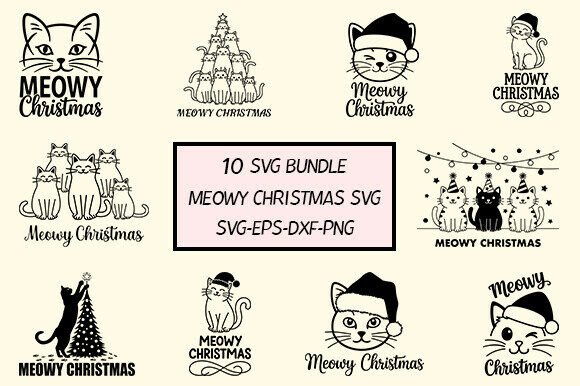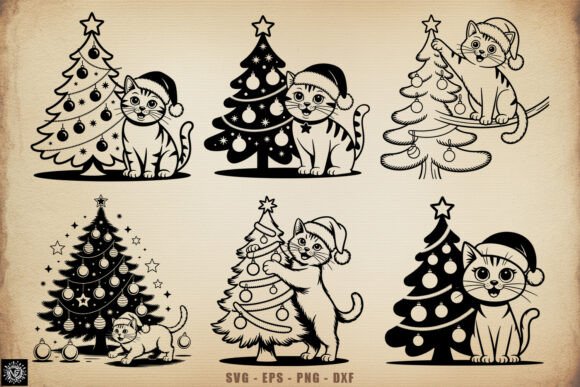
Christmas Santa Hat Cat
A Designer’s First Look: Festive, Friendly, and Fit for Real Stitching
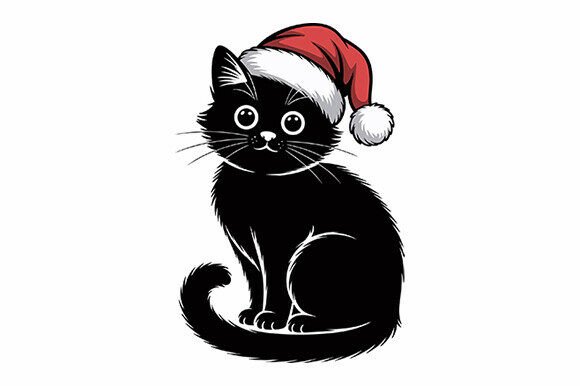
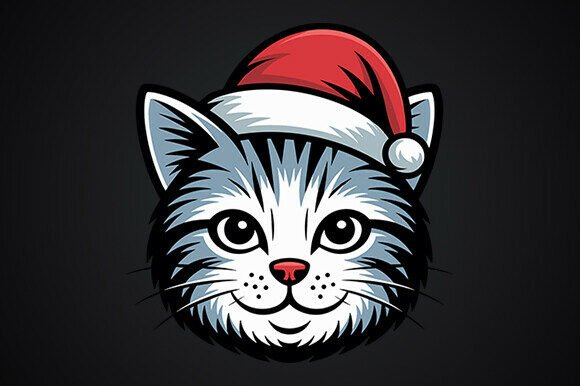
When I opened the Christmas Santa Hat Cat embroidery file, my first thought wasn’t “cute”—it was “usable.” That’s rare. So many holiday designs lean hard into whimsy but fall short on stitch integrity or scale logic. This one lands differently: a single kitten in a jaunty red-and-white Santa hat, sitting upright with soft paws visible, ears perked, eyes bright but not cartoonish. The silhouette is clean—no floating limbs or awkward negative space—and the hat’s brim has just enough curve to read clearly in satin stitch. It feels like a design made *for* embroidery, not just adapted from a vector graphic.
Where It Shines: From Tote Bags to Tiny Baby Onesies
I tested Christmas Santa Hat Cat across three real projects: a linen tea towel for a local boutique, a custom-embroidered organic cotton baby onesie, and a small-batch run of unisex sweatshirts for an Etsy shop. On the tea towel, it stitched crisply at 3.2” wide—no thread breaks, no puckering—even with lightweight tear-away stabilizer. On the onesie, I scaled it down to 2.1” and added a light cutaway backing; the facial details held up beautifully, and parents responded instantly to its gentle charm—not “overly festive,” but warmly seasonal. The sweatshirt version (4.5”, medium-density fill) popped against heather grey fleece, especially with contrasting white thread on the hat trim. In each case, the design reinforced the product’s handmade appeal without demanding perfection from the stitcher.
Why Craft Business Owners Will Appreciate Its Versatility
- Tote bag design: Works well centered on canvas or jute—clear shape reads from a distance, minimal fine detail means fewer re-hooping issues.
- Sweatshirt embroidery: Balanced weight distribution keeps fabric stable under the hoop; no dense clusters that cause shadowing on thick knits.
- Baby embroidery: No tiny eyes or micro-stitching—safe for delicate fabrics and gentle washing.
- Embroidered patch: Clean outer edge makes it ideal for heat-seal or sew-on patches; holds shape after laundering.
- Holiday gift & boutique branding: Feels personal but not overly niche—fits homes with pets, families with young kids, or modern minimalist holiday decor.
Where to Pause—and Why
This isn’t a one-size-fits-all embroidery file. Its strengths are also its boundaries. On textured fabrics like terry cloth or bouclé knit, I found the hat’s smooth curves lost definition unless I increased stabilizer thickness and slowed stitch speed. On dark fabric, the white thread in the hat’s trim needed a test run—I swapped to ecru for better contrast on navy denim, and it elevated the whole look. And while the design scales down nicely, pushing below 1.8” starts to blur the ear shape and diminish the hat’s dimensionality. It’s not built for ultra-fine applique work or layered garments like quilted jackets where bulk matters.
Also worth noting: the design assumes a flat, stable surface. Curved areas—like the front panel of a structured cap—require careful hooping and possibly minor digitizing tweaks to prevent distortion. If you’re planning a commercial embroidery run for caps or curved aprons, build in time for a physical test stitch before committing to full production.
What It Adds to Your Finished Product—Beyond Just “Cute”
Customers don’t buy stitches—they buy feeling, trust, and intention. Christmas Santa Hat Cat delivers that quietly. It doesn’t shout “holiday sale!” It invites a smile, a pause, a sense of shared warmth. For Etsy sellers, that translates to higher perceived value on personalized gifts—especially when paired with neutral backgrounds or natural fibers. For craft fairs, it stands out without competing with busier motifs. And for small shop owners building brand consistency, its clean lines and balanced proportions make it easy to pair with simple monograms or coordinating text elements in mockups.
It also supports professionalism behind the scenes: moderate stitch density means faster runs, less thread waste, and smoother machine operation. No excessive jump stitches or unnecessary underlay—just thoughtful digitizing that respects both the machine and the maker’s time.
Practical Designer Notes Before You Stitch
- Always test on scrap fabric first—especially if using textured, stretchy, or dark materials.
- Review thread color contrast in natural light—not just on screen. A white hat on cream fabric can disappear without careful thread selection.
- Check stitch density visually: hold the design file up to a light source—if large fill areas look solid with no visible gaps, it’ll likely stitch cleanly.
- Confirm hoop size compatibility before loading—this design fits comfortably in a 4x4 hoop at standard scale, but verify your own machine’s limits.
- Inspect small details at 200% zoom: look for stray nodes or over-digitized corners that could snag thread.
- Test in black-and-white mockups to assess visual balance—holiday designs often rely too heavily on color; this one holds up in grayscale.
- Compare light vs. dark fabric backgrounds in your digital preview software before sending to the machine.
- Use appropriate stabilizer: lightweight cutaway for knits, tear-away for stable wovens, and fusible for sheer or slippery fabrics.
- Verify licensing terms before selling finished items or bundling the file in digital product offerings—this is a Graphics asset intended for Crafts, but commercial use rights must be confirmed directly with the source.
In short: Christmas Santa Hat Cat earns its place in a working designer’s library—not because it’s flashy, but because it’s reliable, expressive, and rooted in real-world making. It’s the kind of embroidery file that helps your handmade product feel intentional, joyful, and unmistakably yours.